Optimizing digital advertising through automation
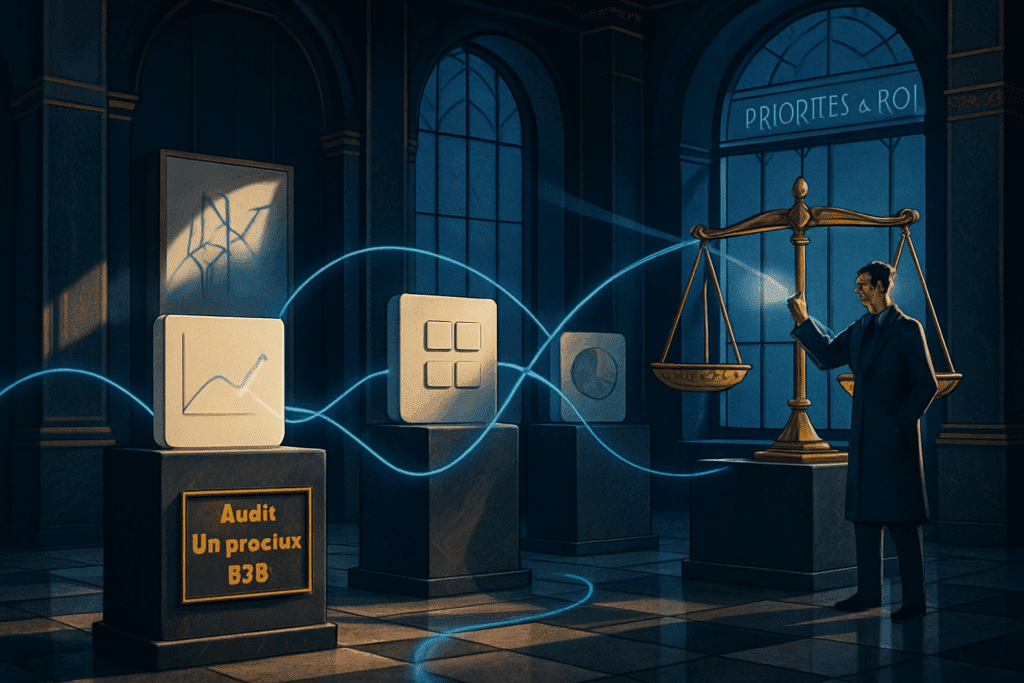
Optimizing digital advertising through automation represents a major advance in digital marketing. It involves using technologies such as artificial intelligence and machine learning to manage, personalize and adjust advertising campaigns in real time. This approach improves campaign efficiency and maximizes return on investment (ROI).
Key points to remember
- Automation enables dynamic, intelligent bid management in real time, optimizing ROI.
- Advanced ad personalization increases message relevance and conversion rates.
- Artificial intelligence automatically generates, tests and optimizes advertising content.
- Campaign adjustments based on real-time analysis improve overall performance.
- The balance between automation and human creativity is essential to preserve brand identity.
Introduction to digital advertising automation
In a context where digital advertising has become ubiquitous, optimizing advertising campaigns is crucial. The digital marketing sector is evolving rapidly, driven by technological innovations that enable campaigns to be executed and adjusted more efficiently and precisely. Automation is becoming an essential lever for managing campaigns, reducing operating costs and increasing ROI.
This automation is aimed at a wide range of players, including marketers, advertising agencies, e-retailers and companies wishing to maximize the impact of their digital campaigns. By integrating artificial intelligence, it is possible to process very large volumes of data and instantly adjust campaign parameters according to observed results and consumer behavior.
How does automation improve digital advertising?
Automation in digital advertising relies primarily on the use of artificial intelligence (AI) and machine learning, which analyze complex data to optimize the management of advertising campaigns. Several mechanisms are used to leverage these technologies:
Intelligent real-time auction management
One of the main benefits of automation is the ability to continuously adjust advertising bids according to observed performance. The algorithm analyzes data in real time to identify optimal opportunities for buying advertising space, thus maximizing return on investment (ROI). These adjustments are made at a speed and scale inaccessible to human intervention[1][2].
Advanced campaign personalization
By collecting and analyzing behavioral, demographic and contextual data, artificial intelligence can tailor advertising messages to very specific audience segments. This personalization increases user engagement and improves conversion rates[2][3][5]. This is an essential step forward for effectively reaching different targets according to their specific interests and expectations.
Automatic creation and optimization of advertising content
Generative AI plays a key role, automatically creating several variants of ad texts, titles and visuals. These different versions are then tested to identify those that perform best, optimizing ad relevance and creativity without the need for constant manual intervention[1][4][11]. This process speeds up content adaptation considerably.
Real-time analysis and predictive adjustment
Unlike the traditional approach, which relies on weekly or monthly reports, automation provides immediate data and insights. This enables marketing teams to redirect or readjust their campaigns at any time, maximizing overall advertising performance[4][2].
A/B test automation
Artificial intelligence can simultaneously test several versions of an ad, automatically determine the most effective, and adjust delivery accordingly. This feature speeds up the campaign optimization process[2].
Real-time lead management and scoring
Automation also makes it easier to manage prospects according to their behavior and progress in the buying journey. It makes it possible to adapt messages and offers in a targeted way to increase the chances of conversion[7].
Limits and challenges of automation in digital advertising
Despite its many advantages, the automation of digital advertising also presents challenges that need to be carefully considered. The first is the risk of message standardization. By relying heavily on automated models, campaigns can become standardized, diminishing brand differentiation and uniqueness[1].
Secondly, human creativity remains indispensable. Even the most advanced technologies cannot replace the human ability to create authentic, emotional and unique messages that reinforce brand identity. A balance must be struck between automation and human intervention to guarantee the relevance and impact of campaigns[1][4].
Finally, the use of artificial intelligence raises important ethical issues, particularly in relation to the collection and use of personal data to target advertising. Transparency and compliance with regulations are essential to prevent abuse and maintain consumer confidence[2].
Technologies and tools used for advertising automation
Several technologies underpin the automation of digital advertising:
- Machine learning algorithms: such as regression, decision trees and deep neural networks, which analyze complex data to predict ad performance and user behavior[2].
- Automated advertising platforms: e.g. Google Ads, which make it easy to set up campaigns incorporating automated bidding, precise targeting, and the creation of multiple advertising variants for testing[1][3].
- Integrated marketing automation solutions: combining CRM, lead scoring and advanced segmentation to optimize the management and personalization of advertising campaigns[5][7].
- Generative artificial intelligence: to mass-produce advertising content and carry out predictive analyses of consumer trends to anticipate and automatically adjust campaigns[4].
In short, optimizing digital advertising through automation
Automation offers unprecedented optimization power in digital advertising. By combining speed, fine-tuned personalization and dynamic adjustments, it significantly improves campaign performance while reducing the operational burden. The results are higher ROI and more relevant advertising messages for targeted audiences.
However, this automation requires constant human supervision to preserve each brand’s creativity, authenticity and identity. In addition, an ethical and transparent approach to the processing of personal data used for targeting is essential. By respecting these principles, automation becomes an essential lever of modern digital marketing.
To deepen these practices and adopt an effective advertising automation strategy, consult the latest solutions and tools available from Les Communicateurs for expert support in digital marketing and automation.